 UmojaPride
© 2026 UmojaPride. All rights reserved.
Nov 20, 2025 07:34:15 PM
Left Out of the Festive Cheer: The Quiet Struggle of LGBTQ+ Ugandans at Christmas
As families across Uganda prepare to gather for Christmas, filling homes with food, laughter, and Philly Bongole Lutaya songs, 25-year-old Bruhan and other LGBTQ+ Ugandans are preparing for something very different—– silence.
“I will stay inside. I can’t visit anyone. I won’t even step outside unless I really have to,” he told me over the phone. “Everyone else is celebrating, but this time of year is a reminder that I have no one I can be myself with.”
For most Ugandan households, Christmas is a deeply communal season, cousins returning from cities, grandparents hosting large family meals, church choirs practising late into the night. But for LGBTQ+ Ugandans, the festive period can be one of the loneliest and most dangerous times of the year, made worse by the sweeping powers of the Anti-Homosexuality Act (AHA) passed in 2023.
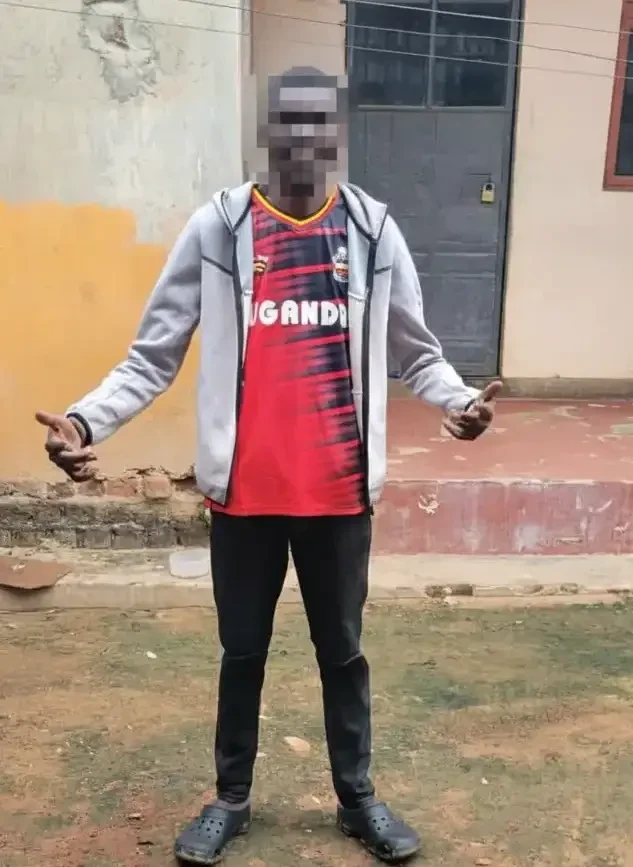
Photo: Bruhan standing outside of the house he has recently moved to. For queer individuals like him, Christmas is always a season of retreat.
Under the law, same-sex relations can attract life imprisonment, and “aggravated homosexuality” carries the death penalty. Even “promoting homosexuality” can lead to 20 years in prison. Families are under increasing social pressure to report suspected LGBTQ+ relatives.
“I cannot go home. It is not safe.”
Originally from a small village in Wakiso District, Bruhan left home at 17 when relatives began questioning why he wasn’t “getting serious with girls”. That pressure, he recalls, slowly turned to threats after neighbours started whispering about his “bisiyaga behaviour”. Bisiyaga is a luganda word that translates to being gay or lesbian.
“I was chased out of the house by my mom and dad plus some uncles. They asked me not to ever return because if I came back, there would be problems. My uncle told mom that I would be ‘bringing shame’ into the house.”
Since the AHA was enacted, such warnings have turned increasingly hostile. Religious leaders have used their Christmas sermons to condemn homosexuality, while local leaders—fearing the appearance of tolerance—have encouraged communities to be vigilant.
“There is no space for someone like me in those gatherings,” says Bruhan. “If I go home, I might not come back.”
A Festive Season of Fear for LGBTQ+ Ugandans
LGBTQ+ rights organisations say the festive season heightens risks for queer Ugandans. With families gathered under one roof, tensions over identity, gender expression, and societal expectations often come to a head.
Edwin Sesange, founder of the African Equality Foundation, a UK-based organisation challenging homophobia, transphobia, promoting better sexual and mental health within the LGBTQ+ community and advocating for African LGBTQ+ rights, says December is one of the most distressing periods for the community.
“We receive a surge in messages from young Ugandans who say they have been threatened, outed, or told not to return home for Christmas,” he explains. “Some are beaten, others are disowned, and many retreat into isolation because the alternative is physical danger.”
According to Edwin, Uganda’s legal environment has “emboldened families, local councils, and even neighbours to treat queer people as criminals before the state even intervenes”.
He adds: “What Bruhan is experiencing is not an isolated story. It is a reflection of what thousands quietly endure.”
A Season of Visible Joy and Invisible Pain
To the outside world, it is a picture of festive cheer. But beneath the surface, those living in secrecy feel the contrast sharply.
“Christmas is the time of year when I feel my difference the most,” says another young man, who asked to be identified only as Moses. “My family gathers for lunch, shares stories, exchanges gifts. I scroll through their photos online while sitting alone in my room.”
For others, the danger is not only emotional but physical. Anecdotal data shows that LGBTQ+ Ugandans are more vulnerable to mob violence during holiday periods when communities return to rural areas and suspicion intensifies.
One counsellor who used to work with the Refugee Law Project in Kampala, speaking anonymously for safety, says:
“We see spikes in people fleeing their homes around Christmas. The pressure to conform is at its highest. Some young people are forced into marriage; others face violence when relatives confront them. Even those that don’t go home get stressed out as the meaning of family is something that is brought up at the festive holiday”
Surviving quietly
Bruhan says he will prepare for Christmas much like he would prepare for a lockdown; buying food in advance, stocking up on candles for power cuts, and blocking numbers of relatives who might demand he travel home.
He plans to spend the day listening to music and journalling. “I write things I cannot say aloud,” he explains. “It’s how I stay sane.”
A Growing Calls for Protection
Human rights organisations continue to urge the Ugandan government to repeal the AHA and guarantee protection for LGBTQ+ Ugandans. International partners have condemned the legislation, warning that it deepens social fragmentation and endangers the lives of already vulnerable groups.
“Festive seasons are supposed to unite people,” says Edwin of the African Equality Foundation. “But for LGBTQ+ Ugandans, they are reminders of hostility from both state and society. This should be unacceptable in any nation that values human dignity.”
A Quiet Hope
Despite everything, Bruhan holds onto a small sense of hope. “I don’t know when things will change,” he says. “But I hope one day Christmas will feel like home again.” He notes that it is a risk sharing his story with UmojaPride but “people need to know what homophobia is depriving us of.”
Until then, he will celebrate quietly, behind closed curtains, praying that next year’s festive season will not find him in hiding. For many like him across Uganda, his story is not simply personal, it is a reflection of a growing silent trend every end of the year.