 UmojaPride
© 2026 UmojaPride. All rights reserved.
Mar 07, 2026
The 30-Month Trap: Why Temporary Status is a Death Sentence for LGBTQ+ Integration
The UK Home Office, under Shabana Mahmood, unveiled a policy suite that feels less like administrative reform and more like a targeted siege on the vulnerable. At the heart of this assault is a proposal that threatens to hollow out the very concept of sanctuary: the reduction of refugee status to a mere 30-month temporary window.
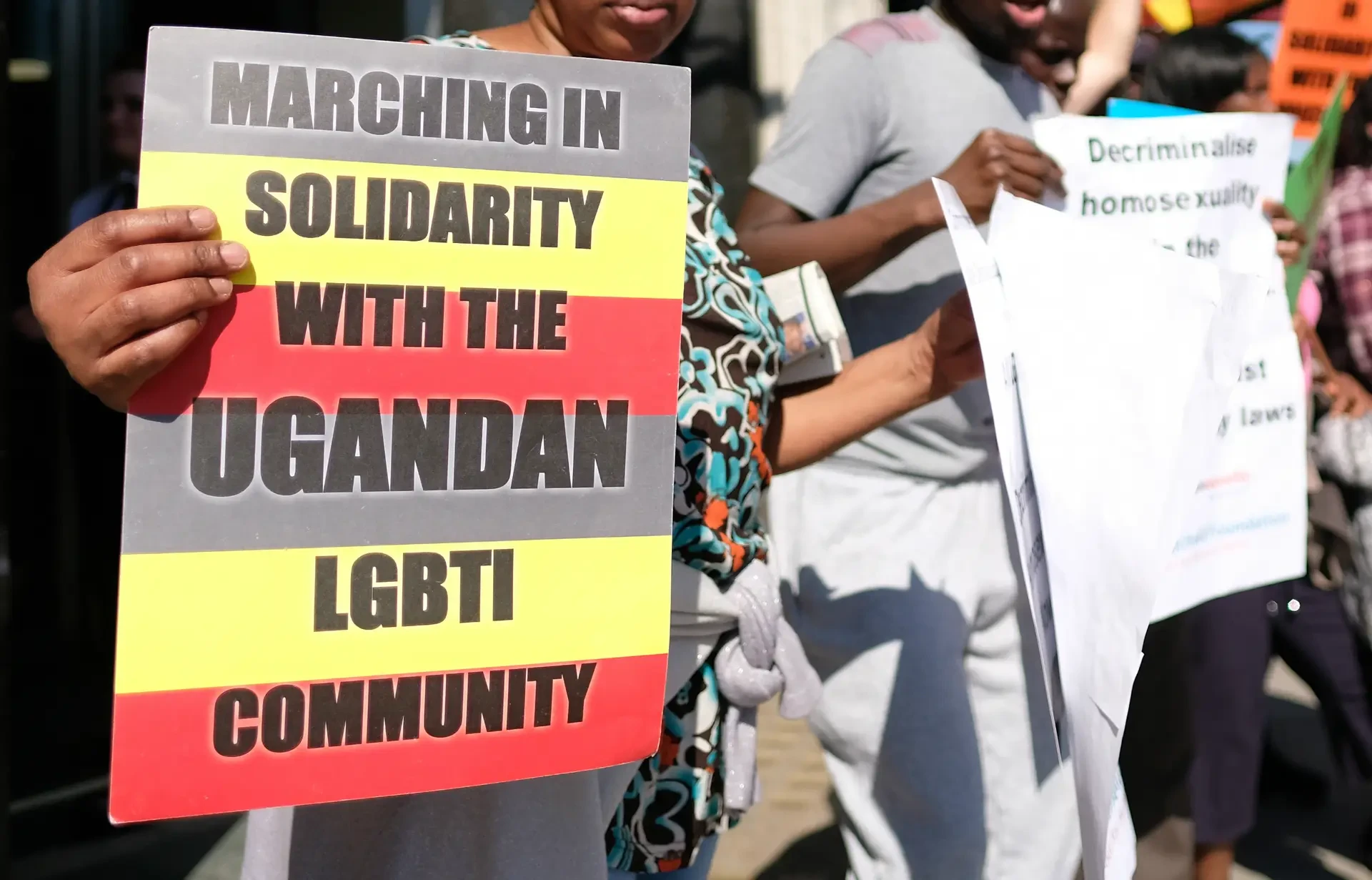
For the LGBTQ+ Ugandan community, individuals who have fled a nation where "love" can be a capital offense, this is not a policy change. It is a psychological trap.
The Architecture of Insecurity
To rebuild a life after state-sanctioned persecution, one requires the "Three Pillars of Belonging": stable housing, consistent employment, and the mental bandwidth to heal. The 30-month limit (barely two and a half years) effectively dynamites all three.
Under this proposed "temporary" status, a refugee is placed on a countdown from day one. In a labour market already rife with "Right to Work" complexities, an expiration date of 900 days is a red flag for employers. Why invest in training a skilled queer Ugandan professional if their legal right to exist in the UK might vanish before their second work anniversary? By restricting the duration of stay, the Government is not "managing" migration; it is state-mandating economic marginalisation.
Creating a Trauma Loop: Re-victimisation
Perhaps the most insidious element of the 30-month trap is the toll on mental health. Recovery from the trauma of mob justice or the constant threat of the death penalty requires a sense of permanent safety.
By forcing refugees to re-apply for protection every 30 months, the Home Office subjects survivours to a "Trauma Loop." Every two years, individuals must once again "prove" their trauma, reliving their most painful memories for caseworkers in an adversarial environment. It is a system designed to wear people down until they break which mimics the very hostility they fled.
"A society that turns its back on women seeking protection—that pushes
them into poverty, strips away security, and shuts the door to safety—is a society
losing its moral compass." — Carenza Arnold, Head of Campaigns, Women for Refugee Women
The Fallacy of the "Safe Country"
The logic behind temporary status rests on a dangerous assumption: that the "danger" in a home country is a passing storm. This ignores the reality of legislative hate. Even if the political winds in a nation shift, the deep-rooted homophobia of laws like Uganda's Anti-Homosexuality Act does not evaporate in 30 months.
By creating a system of "temporary" safety, the UK Government signals to the world that its commitment to human rights is conditional, subject to the latest polling data or the whim of the Home Secretary.
UmojaPride stands firm: Love is never a crime, and safety should not expire. We reject the 30-month trap. We demand a system rooted in the Restoration of Livelihoods, which can only happen when a refugee is given the time to plant roots without the fear of them being ripped up. The UK must return to a minimum 5-year status to ensure that those seeking safety aren't just surviving, but thriving.